
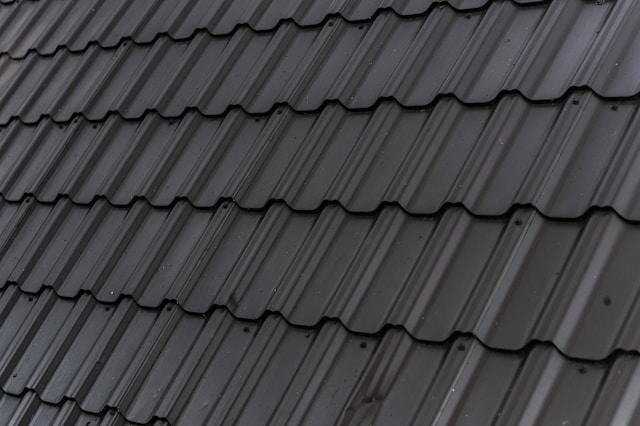
The Rise of Durable Roofing Materials
In recent years, the roofing industry has undergone significant advancements, particularly in material technology. From traditional asphalt shingles that have long dominated the market to the latest composite options, the industry has shifted its focus towards materials that enhance durability while also being cost-effective. This transition is crucial in ensuring that buildings, as they age, maintain their structural integrity.
By integrating advanced technologies such as a building health monitoring system, property owners can efficiently track key metrics like wear and tear or potential damage areas. This proactive approach not only helps prolong the lifespan of the building but also ensures that maintenance efforts are timely and efficient.
Modern composite roofing materials offer a remarkable blend of resilience against environmental challenges and economic viability. These materials are engineered to endure harsh weather conditions, such as intense heat or torrential rains, which are becoming increasingly common with climate change. Consequently, the shift towards these roofing solutions represents a commitment to sustainable building practices.
Eco-Friendly Roofing Solutions
In light of the growing emphasis on sustainability, eco-friendly roofing options have emerged as a significant trend. Green roofs, for instance, incorporate vegetation directly into building infrastructure, serving multiple purposes. They not only reduce urban heat and improve air quality but also act as effective insulators, thus enhancing a building’s energy efficiency.
Moreover, the integration of solar roofing technologies has revolutionized how buildings interact with the environment. By seamlessly incorporating photovoltaic panels into the design of the roof, buildings can generate clean, renewable energy. This decreases dependency on non-renewable energy sources and significantly lowers utility costs, promoting a sustainable lifestyle and appealing to eco-conscious consumers.
Technological Innovations in Roofing
The advent of technology has transformed the conventional practices of roofing maintenance and inspection. One such breakthrough is the use of drones, which has revolutionized the way roofs are inspected. Drones provide a fast, safe, and cost-efficient method of capturing high-resolution images of roof surfaces, allowing for detailed analysis without the risks associated with manual inspections.
Furthermore, augmented reality tools have become valuable assets in roofing design and planning. These tools enable architects and builders to visualize prospective projects, ensuring accurate execution and minimizing the risk of error. A particularly fascinating innovation in the field is the development of self-healing materials. These materials have the capability to autonomously repair small damages, such as cracks or punctures, thus extending the life of roofing systems.
Enhancing Energy Efficiency Through Smart Roofing
In an era where energy efficiency is paramount, smart roofing systems have emerged as key players in managing energy consumption effectively. Reflective and cool roofs have gained popularity for their ability to deflect solar radiation, thereby reducing cooling loads and enhancing energy efficiency.
The utilization of insulating materials within roofing systems curtails heat transfer, ensuring buildings remain comfortable regardless of external weather conditions. Nowadays, smart roofing solutions also incorporate sensors and IoT technology. These systems provide real-time data on critical factors such as temperature and humidity, allowing building managers to optimize energy use effectively and sustain energy efficiency under fluctuating environmental conditions.
Weather-Resistant Roofing Technologies
For regions that frequently encounter severe weather conditions, having a weather-resistant roofing system is non-negotiable. Advances in material science have ushered in the development of roofs that can withstand extreme conditions, such as high winds, heavy rain, or even hailstorms.
Such cutting-edge technologies not only shelter the building from climatic adversities but also ensure the extensive lifecycle of the roofing structure. This resilience translates into significant long-term savings, both in terms of repair costs and potential damage mitigation, making it a worthwhile investment for property owners.
Investment in Long-Term Roofing Solutions
When making decisions regarding roofing materials and technologies, the long-term benefits often outweigh the partial costs. Though modern roofing solutions might require a significant upfront investment, they offer substantial savings over time through decreased maintenance costs and increased energy efficiency.
Real-life examples abound. Schools and hospitals that have invested in these innovative roofing solutions report considerable reductions in operational costs. These savings enable them to allocate funds towards enhancing core services, thus demonstrating the financial prudence of investing in advanced roofing technologies.
Future Trends in the Roofing Industry
Looking toward the future, the roofing industry is poised for even more remarkable innovations. The integration of IoT in roofing systems is anticipated to enhance predictive maintenance capabilities, thereby optimizing system performance while minimizing downtime.
As these technologies evolve, they promise to offer even greater resilience and efficiency, ensuring that buildings are not only robustly protected but also aligned with the latest environmental standards. With continuous advancements in materials and smart technologies, the future of roofing shines brightly, heralding a new era of structural durability and efficiency.