
Table of Contents
- Electric Propulsion Systems
- Advanced Battery Technologies
- Smart Navigation and Control Systems
- Fire Safety Measures
- Underwater Communication Systems
- Conclusion
Boating embodies freedom and discovery on the water, whether it’s a quiet cruise or an exhilarating journey. As electrical engineering transforms seafaring vessels from the inside out, the latest technological advancements are redefining not just how boats run, but also how safely they perform. Today’s innovative electrical upgrades dramatically boost reliability and empower boaters to safeguard against potential hazards. Essential boating accessories, such as marine hose clamps, also play a crucial role in securing vital systems and maintaining overall boat integrity.
The growing adoption of smart electrical components is driving enhanced safety protocols from optimized navigation aids to improved battery monitoring and fire-prevention technologies. Innovations in electric propulsion and power systems, for example, are shaping a more sustainable and secure future for both new builds and retrofitted vessels. These advancements are not only making boating more enjoyable but also minimizing risks, whether you’re an experienced captain or a weekend enthusiast.
Electric Propulsion Systems
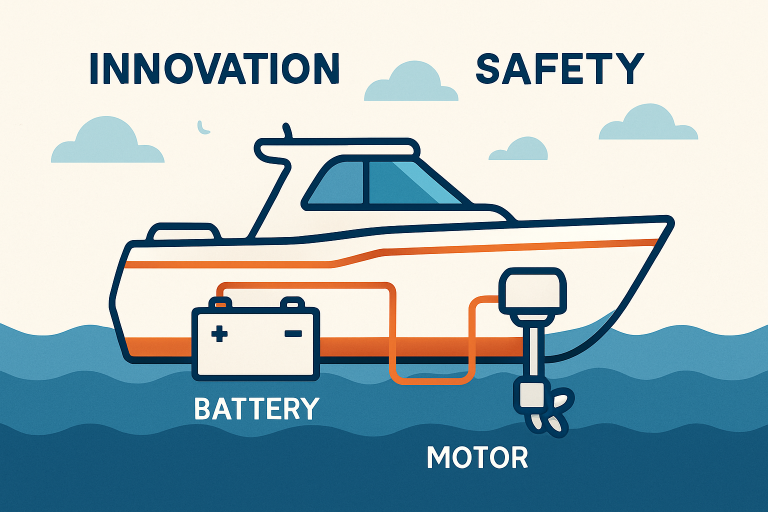
Electric propulsion has rapidly become a game-changer for the marine industry. Unlike traditional internal combustion engines, electric motors offer whisper-quiet operation, making for a peaceful ride on both recreational and commercial craft. They also come with the promise of lower emissions and reduced ongoing maintenance. Leading manufacturers are engineering high-powered systems, some capable of producing up to 260 horsepower, that integrate seamlessly with digital monitoring apps for status checks, diagnostics, and charging management. These features not only simplify vessel operation but also allow for rapid intervention in the event of potential electrical faults, thereby preventing dangerous situations from escalating.
For those seeking to electrify existing boats, modular propulsion kits make installation straightforward and scalable. As highlighted by Popular Mechanics, electric motors are especially effective for smaller boats and offer a compelling blend of eco-friendliness and performance for day cruisers and fishing boats. The downturn in harmful emissions also supports cleaner waterways and improved safety for crews and passengers.
Advanced Battery Technologies
At the core of electric-powered boating are high-performance battery packs. Moving from traditional lead-acid units to advanced lithium-iron-phosphate options, today’s boaters benefit from reliable power delivery, lighter weight, and much greater longevity. Companies are paving the way with dedicated battery solutions designed for marine environments, offering a range of 12V to 72V voltages to suit both outboard conversions and auxiliary systems. These batteries are engineered to deliver robust starting power and consistent energy output even on long-distance journeys thus reducing the risk of unexpected failures at sea.
New battery management systems (BMS) introduce further safety protocols, continuously monitoring charge states and thermal conditions to prevent dangerous events such as overheating or deep discharge. These technological upgrades help eliminate power outages that might previously have stranded vessels or disrupted navigation, keeping everyone onboard safer and more confident in their plans.
Smart Navigation and Control Systems
Modern navigation tools make boating more accessible while drastically reducing human error. The integration of positioning and control systems, such as Dockmate’s Positioning System (DPS) V2, enables automated station keeping, dynamic positioning, and precision docking. By leveraging GPS and onboard sensors, these systems let operators maintain their position or perform tricky maneuvers with a simple touch, regardless of wind or current. What sets these innovations apart is their modular design, which simplifies retrofits and reduces the need for costly equipment upgrades. Even older vessels can be brought up to date with features like Ocean and Precision Modes, giving boaters full control without extensive training.
Dynamic positioning technologies are now critical safety components for solo operators and crews managing vessels in tight harbors or remote research zones. The seamless integration with existing engine, throttle, and thruster systems helps reduce risks associated with inattention or environmental changes, ensuring boating adventures can be undertaken with newfound peace of mind.
Fire Safety Measures
While electric propulsion brings myriad benefits, lithium-ion batteries used to power these systems introduce unique fire and safety risks. Saltwater corrosion, for instance, can initiate chemical reactions within battery packs, potentially leading to thermal runaway or fire. Both the U.S. Coast Guard and the International Association of Fire Services (CTIF) have issued advisories highlighting the importance of robust fire-suppression tools and appropriate battery enclosure designs for marine use.
Manufacturers are steadily responding with comprehensive safety protocols such as the introduction of fire-resistant battery casings, extensive pre-market testing, and fail-safe cut-off features that isolate faults and prevent flare-ups. Educating owners on proper maintenance, timely replacement cycles, and post-incident response procedures is also becoming central to the electric boating community. The combined effect is a vessel better able to contain and recover from electrical faults before they escalate into life-threatening emergencies.
Underwater Communication Systems
Communication is paramount, especially for divers and researchers operating below the surface. Contemporary underwater communication systems, built on magnetoelectric (ME) antenna arrays, enable robust, high-fidelity signal transmission over extended ranges of up to 200 meters. These lightweight, energy-efficient solutions are reshaping the way autonomous vehicles and remotely operated submersibles coordinate, greatly improving situational awareness and response during missions or emergencies.
These advances not only enhance diver safety but also support breakthroughs in marine research, environmental monitoring, and underwater construction. The durability and reliability of these wireless solutions bridge the communication gap between above- and below-water teams, reducing operational risks and delivering peace of mind to everyone involved.
Conclusion
From electric motors and next-generation battery packs to intelligent navigation systems and sophisticated communication arrays, the latest electrical innovations are ensuring safety, efficiency, and sustainability on the water. These technologies are shaping a bold new course for recreational boaters and professionals alike, empowering more people than ever before to venture farther, cleaner, and more safely. By embracing these electrical advancements, the marine industry moves closer to a future where adventure on the water is seamlessly paired with trust and environmental responsibility.